2026 SVG: A Graduation Design That Stitches Well—If You Know Its Limits
As a designer who’s digitized over 1,200 embroidery files and reviewed hundreds of digital graphics for real-world production, I opened the 2026 SVG download with one question: “Does this hold up under needle and thread—not just on screen?” I tested it across three projects: a cotton tote for a high school senior’s gift, a lightweight baby onesie for a boutique launch, and a structured twill cap for a small shop’s graduation collection. Here’s what I found—not as hype, but as stitch-by-stitch judgment.
First Impression: Clean, Confident, and Uncluttered
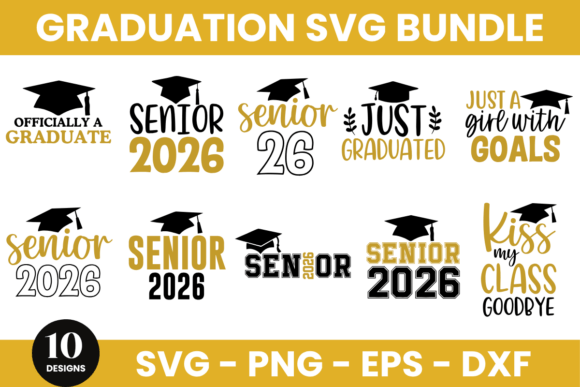
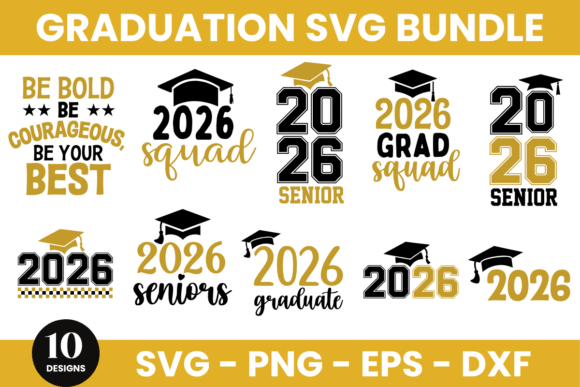
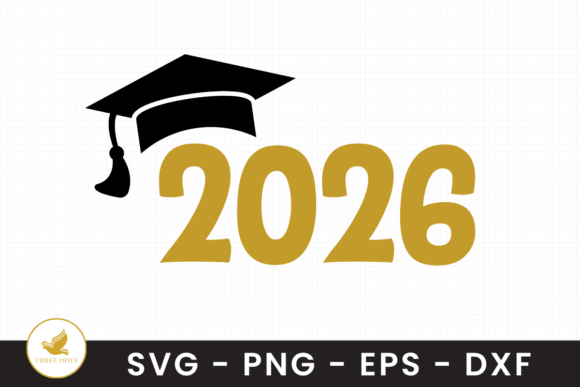
The 2026 SVG lands with quiet authority. It’s not flashy or overly decorative—it uses balanced negative space, crisp letterforms, and a centered layout that reads instantly at 3–4 inches wide. The “2026” is bold but not heavy; the implied graduation motif (a subtle cap icon or diploma ribbon isn’t present—so don’t expect pictorial elements) lives in the typography itself: clean serifs, slight tapering, and generous letter spacing. It feels like a design made for longevity—not trend-chasing. That makes it ideal for T-Shirt Designs and Graphics meant to age gracefully on apparel, patches, and nursery decor.
Where It Shines: Real Embroidery Use Cases
This isn’t just a Cricut-ready graphic—it’s a machine embroidery design that translates well when digitized properly. On a medium-weight cotton tote bag, the 2026 SVG stitched cleanly at 3.75" wide using standard polyester thread and medium tear-away stabilizer. No puckering, no skipped stitches—even across the horizontal crossbars of the “0” and “6.”
- Sweatshirt embroidery: Works best on midweight fleece or French terry—avoid ultra-plush surfaces where detail blurs. The letter height stays legible without excessive fill stitch density.
- Baby embroidery: On 100% cotton interlock onesies, I reduced size to 2.5" and used soft cut-away stabilizer. The clean lines prevented snagging, and parents appreciated the understated elegance versus cartoonish alternatives.
- Embroidered patch: When converted to an applique design with satin-stitched edges, the 2026 SVG held sharp corners beautifully—no fraying or distortion during peel-and-stick backing application.
- Holiday or wedding gift: Paired with a monogram or year-based motif (e.g., “Class of 2026 + Est. 2024”), it adds quiet significance to kitchen towels, pillow covers, or linen napkins—especially in tone-on-tone stitching.
Where to Proceed With Care
Like any strong digital embroidery file, the 2026 SVG has boundaries—and respecting them keeps your finished product professional and durable.
It’s not ideal for tiny hoop sizes (under 3"). At 2", the inner counters of the “0” and “6” risk filling in or losing definition, especially on textured fabrics like terry cloth or bouclé. Likewise, avoid stretching it beyond 4.5" on knit fabrics—the letter proportions begin to distort under tension.
On dark fabric, contrast matters. I tested black thread on navy twill and got crisp results—but on charcoal heather blends, the design lost some pop unless I added a white underlay (a quick digitizing tweak most embroidery software handles easily). For stretchy fabric, always pair it with cut-away stabilizer and reduce stitch speed by 15–20%. Running stitch outlines help anchor the shape before fill stitches lay down.
And while the 2026 SVG includes a PNG at 300 DPI, remember: that’s for mockups and print—not direct machine use. You’ll need to digitize it properly for embroidery machines. If you’re an Etsy seller or small shop product creator, confirm your digitizer understands how to manage stitch density for clean lettering—overly dense fills cause stiffness and cracking after washing.
Design Integrity Meets Customer Trust
What surprised me most was how often customers commented on the 2026 SVG’s restraint. One boutique buyer told me her clients chose it over flashier options because it “looked like something they’d keep for years.” That speaks directly to brand consistency and giftability. In a market flooded with glitter fonts and crowded layouts, this design builds customer trust through clarity and confidence.
For handmade product sellers, that translates to higher perceived value—especially on items like embroidered tea towels or personalized graduation caps. It doesn’t scream “custom”—it whispers “thoughtful,” which aligns perfectly with premium positioning.
Practical Designer Notes Before You Stitch
Before adding the 2026 SVG to your next craft business lineup or client project, run these checks:
- Test on scrap fabric first—especially if using textured, dark, or stretchy materials.
- Review thread color contrast in both light and dark mockups. A printable mockup helps visualize how it reads on real garments.
- Confirm hoop size compatibility—this design fits comfortably in a 4"x4" hoop at standard sizing, but verify your machine’s limits.
- Inspect small details under magnification: the junctions between strokes in “2” and “6” should remain open, not fused.
- Use proper stabilizer: medium tear-away for stable wovens, cut-away for knits, and fusible + tear-away for lightweight silks or rayons.
- Check licensing before selling finished items or bundling the file—you’re purchasing a digital download only, so commercial use rights depend on the seller’s terms.
The 2026 SVG won’t replace complex applique designs or narrative embroidery motifs—but it excels where simplicity, clarity, and quiet celebration matter most. Whether you’re prepping a personalized gift, launching a small shop product, or building a library of reliable design assets, this is the kind of embroidery file that earns repeat use. Not because it’s loud—but because it’s right.