Halloween Decor SVG Bundle
First Impressions: Playful, Not Precious
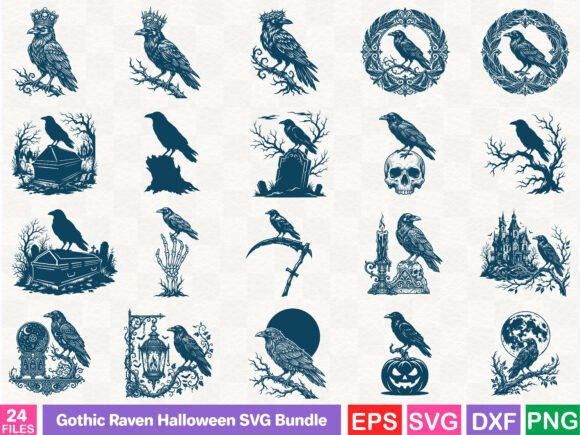
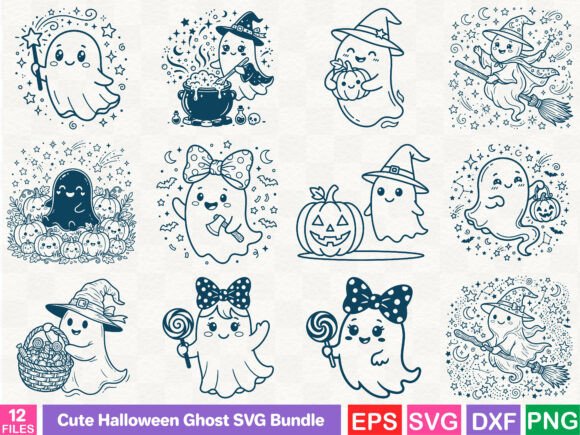
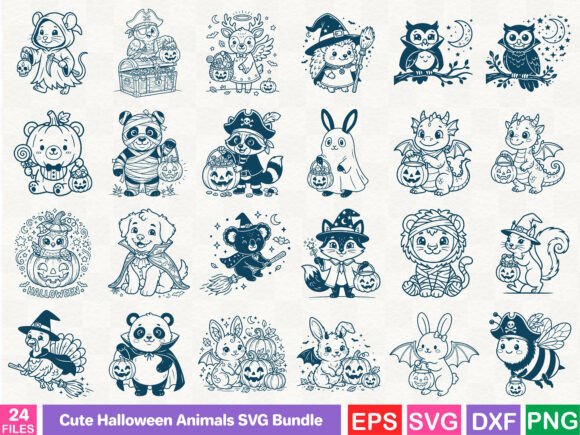
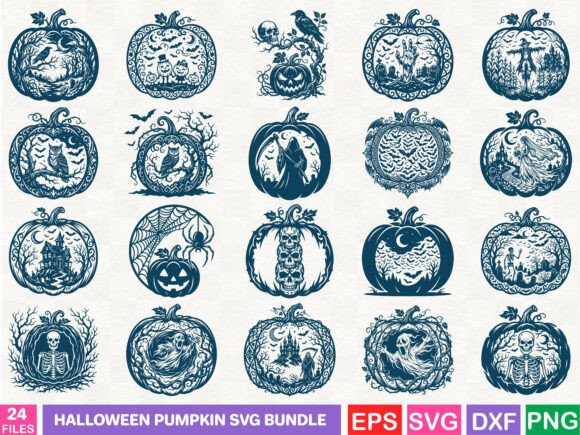
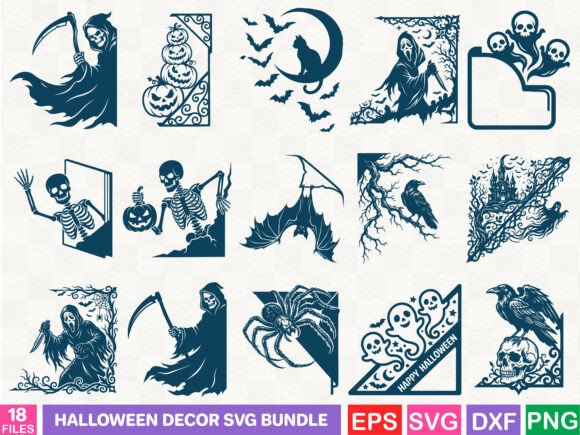
Opening the Halloween Decor SVG Bundle, I didn’t see spooky clichés—I saw something with rhythm. The collection leans into friendly whimsy: a smiling jack-o’-lantern with clean curves, a bat mid-flap with open negative space, a candy corn stack with gentle taper and balanced weight. It’s not overly detailed—no tiny eyelashes or crosshatched textures—and that’s a strength for embroidery. As an illustrator and machine embroidery designer who’s stitched hundreds of Halloween motifs, I immediately recognized this bundle’s sweet spot: it’s built for clarity at 3–4 inches wide, not for pixel-perfect screen display alone. That matters because many designers grab SVGs thinking “vector = ready to stitch,” only to find tangled paths, inconsistent line weights, or un-stitchable corners. This one feels intentionally simplified—not lazy, but considerate.
A Real Project Test: Embroidering a Linen Tote for a Local Boutique
Last week, I prepped a small-batch run of embroidered linen tote bags for a neighborhood gift shop’s October launch. I chose one motif from the Halloween Decor SVG Bundle: the ghost with rounded edges and a subtle scalloped bottom. Why? Because linens are unforgiving—loose weave, minimal stretch, zero forgiveness for dense fill stitches. I converted the SVG to an embroidery file using my standard workflow (clean path → simplify nodes → assign stitch types), then ran a test on scrap fabric with medium-weight cutaway stabilizer. The result? Crisp satin stitch borders, breathable fill areas that didn’t pucker, and no thread nesting in the ghost’s curved corners. Customers loved the softness of the finished product—not stiff or plasticky. That tells me the original vector shapes were drawn with stitch logic in mind, not just graphic appeal.
Where It Shines (and Where It Needs Care)
The Halloween Decor SVG Bundle works especially well for:
- Custom apparel—especially on cotton sweatshirts and structured tees where bold silhouettes read clearly from across a room;
- Embroidered patches—its moderate detail level holds up beautifully when heat-applied or sewn on;
- Baby embroidery—think onesies or burp cloths—where safety and simplicity matter more than intricate shading;
- Kitchen textiles like tea towels and aprons, where clean lines resist visual clutter amid busy patterns;
- Small shop merchandise—it scales cleanly for both 2-inch cap fronts and 6-inch pillow covers without losing identity.
But proceed thoughtfully with:
- Stretchy fabrics—like jersey or ribbed knits—where even slight distortion can blur those friendly outlines. Use tear-away + topping, and reduce stitch density if needed.
- Dark or textured fabrics—the design relies on shape over contrast, so test thread colors carefully. A charcoal ghost on navy won’t pop unless you add a white underlay or switch to metallic silver.
- Curved surfaces—caps or mugs (if used for printable mockups) benefit from simplified versions. The full SVG may need manual simplification before digitizing for low-profile hoops.
- Tiny lettering or fine interior lines—this bundle doesn’t include text, which is smart. Don’t force it—pair it with your own legible font instead.
Design Integrity Meets Business Reality
As an Etsy seller and craft business mentor, I pay attention to how a design affects buyer trust. When customers see a handmade product with crisp, confident stitching, they assume care—even if they don’t know digitizing terms. The Halloween Decor SVG Bundle supports that perception. Its consistent proportions, balanced spacing, and absence of fussy details translate directly to reliable stitch-outs. No surprise thread breaks. No re-hooping mid-run. That means less downtime, fewer rejected pieces, and stronger branding across your small shop product line.
It also plays well with commercial embroidery workflows. Since it’s categorized as Illustrations and Graphics, it’s clearly intended as source material—not a plug-and-play embroidery file. That’s honest. It invites collaboration between designer and digitizer, rather than promising magic. For creative entrepreneurs who outsource digitizing or use in-house software, that transparency saves time and avoids disappointment.
Practical Notes Every Embroidery Designer Should Check
Before stitching your first piece—or listing a finished product online—do these five things:
- Run a test on scrap fabric that matches your final substrate, with the same stabilizer and thread colors;
- Review stitch density—especially in solid-fill areas—to avoid stiffness on baby items or lightweight apparel;
- Confirm hoop size compatibility; some motifs may need trimming or scaling depending on your machine’s throat space;
- Inspect small details like eyes or wing tips—they must be large enough to resolve cleanly at your target size;
- Verify licensing terms. Since the description mentions use for “prints, t-shirt designs, mug making, posters, and many other tasks,” confirm whether commercial resale of finished embroidered goods is permitted—especially for Etsy sellers and boutique brands.
And always check how it looks in black-and-white mockups. If the shape collapses or loses charm without color, it’s not ready for real-world embroidery.
Final Thought: A Solid Foundation, Not a Finished Answer
The Halloween Decor SVG Bundle isn’t flashy—but it’s dependable. It doesn’t try to do everything, and that’s why it works so well for real projects: embroidered kitchen towels for holiday markets, personalized sweatshirts for school PTA events, or custom patches for a local bakery’s seasonal aprons. It gives you room to add your voice—through thread choice, placement, fabric pairing, or complementary elements—without fighting the base design. In a world full of over-rendered, over-complicated digital assets, that kind of thoughtful restraint is rare. And for embroidery designers, craft business owners, and makers building real products—not just pretty previews—it’s exactly what you need.