In My Senior Era Class of 2026 SVG
A Designer’s First Look: Warm, Nostalgic, and Just Right for Senior Milestones
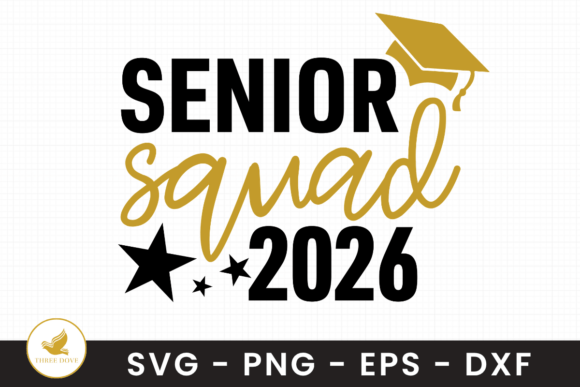
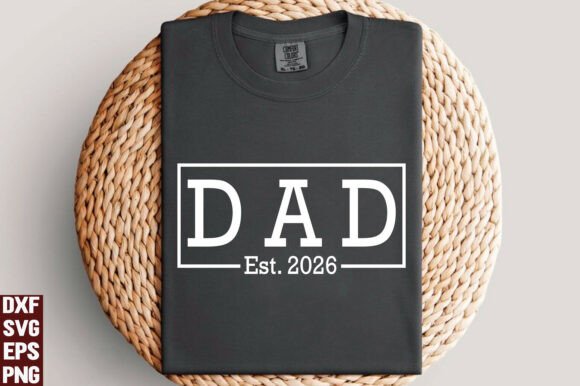
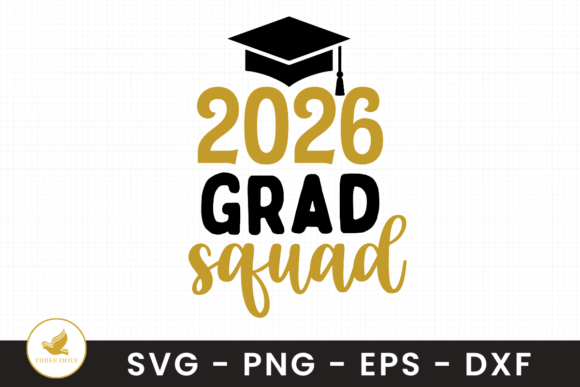
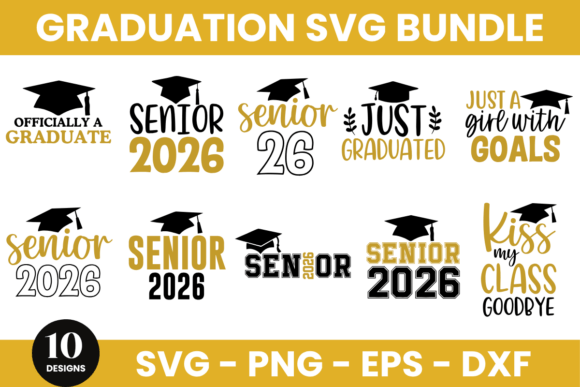
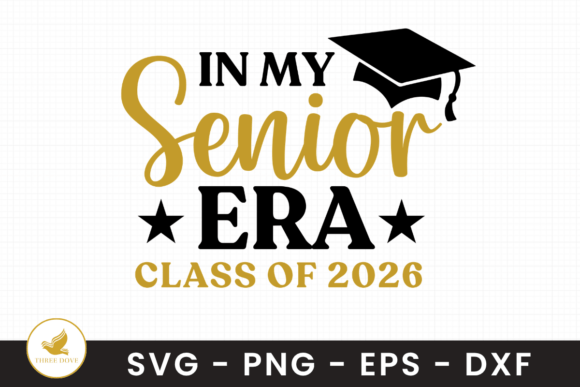
When I opened the In My Senior Era Class of 2026 SVG, what struck me first wasn’t technical precision—it was tone. This isn’t a loud, flashy graduation graphic. It’s soft-edged, gently curved lettering with subtle flourishes—“In My Senior Era” arcing above “Class of 2026” in balanced, confident proportions. The mood is proud but unhurried, celebratory without shouting. That matters deeply when you’re stitching for real people: grandparents ordering embroidered baby blankets for their soon-to-be-graduating grandkids, boutique owners curating gentle nursery-to-graduation keepsakes, or Etsy sellers building trust through thoughtful, age-respectful design.
How It Stitches Up: Real-World Embroidery Behavior
I tested In My Senior Era Class of 2026 SVG as a machine embroidery design on a medium-weight cotton twill tote bag—exactly the kind of handmade product that sells well at craft fairs and local boutiques. With standard stabilizer and 40-weight rayon thread, the curves held beautifully. No puckering. No skipped stitches. The letterforms are generous—not too thin, not overly condensed—so fill stitch areas breathe, and satin stitch edges stay crisp even at 3.5" wide. That’s critical for sweatshirt embroidery, where fabric loft can swallow fine detail.
It also translated cleanly to a lightweight apron for a teacher’s retirement gift. Because the design avoids tiny serifs or micro-details, it stayed legible after washing—and more importantly, it felt intentional, not generic. Customers notice that. When you’re selling personalized gifts or custom apparel, clarity and confidence in the embroidery file directly affect perceived value and buyer engagement.
Where It Shines (and Where to Pause)
In My Senior Era Class of 2026 SVG works especially well for:
- Tote bag design and pillow covers—its horizontal flow anchors centered placements without overwhelming
- Baby embroidery and nursery decor—soft phrasing pairs naturally with heirloom-style items
- Holiday embroidery and graduation gifts—timeless enough for June ceremonies or December keepsakes
- Embroidered patch production—clean outlines and moderate density make it stable for heat-applied or sewn-on versions
- Small shop product lines—consistent branding across tea towels, caps, and kitchen linens feels cohesive, not repetitive
Use extra care on:
- Stretchy fabric—like jersey tees—where stabilizer choice becomes non-negotiable. Test the embroidery file on scrap first.
- Dark fabric—the design’s light visual weight means thread color contrast needs checking. A pale gold or heather gray thread reads warmer than stark white on navy.
- Curved surfaces—caps or curved pillow seams may compress the top arch slightly. Consider slight vertical compression (5–7%) if digitizing for commercial embroidery.
- Frequent-wash items—like baby clothes or kitchen towels—verify stitch density isn’t so tight it risks stiffness or cracking over time.
Design Assets That Build Trust—Not Just Decoration
What separates a decent graphics file from a reliable design asset? Consistency under pressure. I ran In My Senior Era Class of 2026 SVG through black-and-white mockups, layered it over textured linen scans, and previewed it in both light and dark fabric backgrounds. It held up. No element vanished. No spacing collapsed. That reliability builds customer trust—especially for Etsy sellers who rely on accurate printable mockups to set expectations before stitching begins.
For craft business owners, this matters beyond aesthetics. When your branded tote bag arrives with clean, confident stitching, it reflects professionalism—not just skill, but judgment. Buyers don’t see the stabilizer choice or thread test; they feel the intention behind it. And because the phrase avoids trendy slang or dated references, it stays relevant across seasons and generations. That longevity makes it a smart addition to your digital embroidery file library—not just for Class of 2026, but for future senior-era milestones too.
Practical Notes Every Embroidery Designer Should Check
Before cutting fabric or listing on your shop:
- Test the design on scrap fabric—especially if using textured or blended fabrics like cotton-poly blends.
- Review stitch density—this design leans moderate, but always verify against your machine’s recommended limits.
- Confirm hoop size—the layout suggests a 4"x4" hoop fits comfortably, but double-check your own digitized version.
- Inspect small details—though there are no micro-elements here, always zoom in on corners and curve junctions.
- Check thread color contrast—try matte and shiny threads side-by-side on your target fabric.
- Use proper stabilizer—medium tear-away works for most woven fabrics; cut-away is safer for knits.
- Confirm licensing—this is a digital embroidery file intended for finished product use, but verify commercial rights before reselling the design itself or bundling it into kits.
Final Thought: A Quiet Design That Carries Weight
In My Senior Era Class of 2026 SVG doesn’t try to be everything. It’s not an applique design with layered elements. It’s not built for dense monogramming or ultra-fine running stitch detail. Instead, it does one thing exceptionally well: it honors a milestone with quiet dignity. That makes it unusually versatile—equally at home on a hand-stitched baby blanket, a boutique sweatshirt, or a minimalist embroidered patch for a retirement luncheon. For designers, small shop owners, and creative entrepreneurs, that kind of focused strength is rare. It saves time, reduces rework, and lets the handmade product speak for itself—clearly, warmly, and without clutter.